
Pumpkin won't fix your dog's diarrhea...
Mar 20, 2026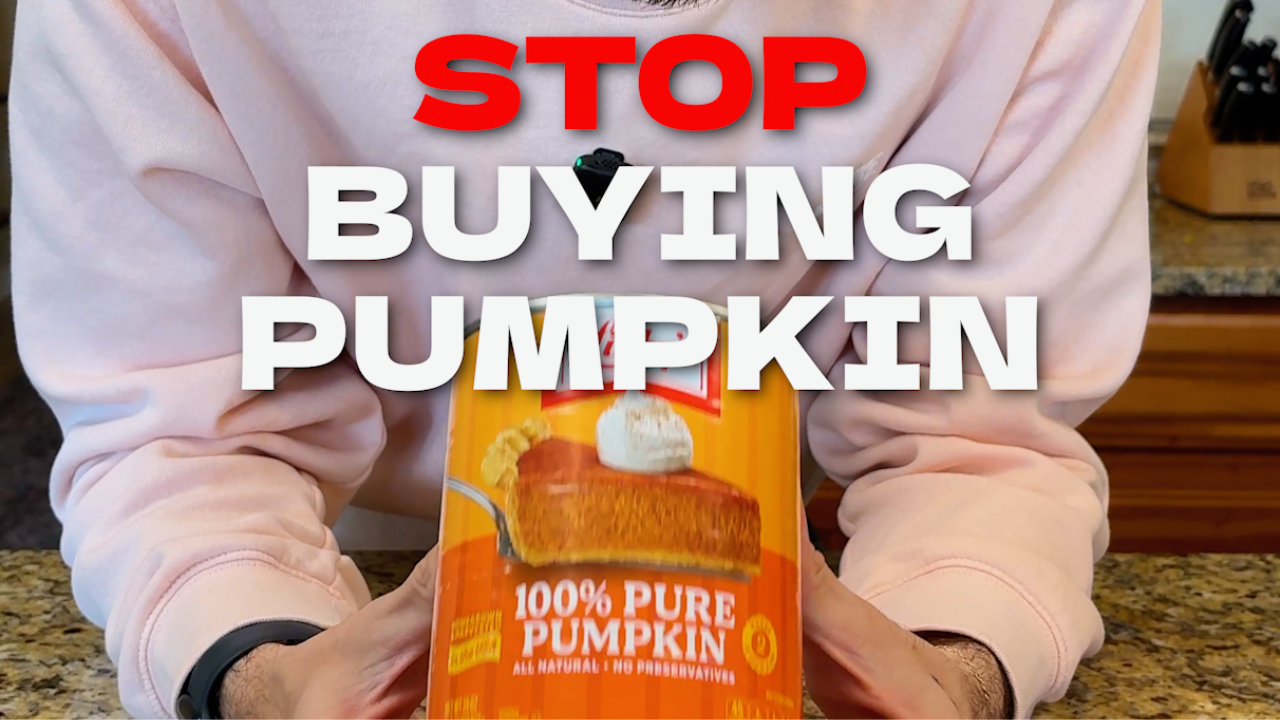
When we first got our dog Banksy, he had horrible diarrhea.
And like every other dog owner on the internet, we reached for pumpkin.
Because that's what everyone says to do, right? Dog has the runs? Give them pumpkin.
So we did. And nothing happened.
The diarrhea was still there. If anything, it might have gotten worse.
So I started digging into it. And it turns out there are some real problems with pumpkin that most people don't know about.
You need way too much of it.
Pumpkin is only about 3% fiber. To get a therapeutic dose of fiber from pumpkin alone, you'd need nearly 12 cups a day for a medium-sized dog.
Our dog is not eating 12 cups of pumpkin. Which means the little spoonful we're adding isn't really doing much.
The fiber in pumpkin doesn't do what you think it does.
This is the part that surprised me.
Not all fiber works the same way.
Pumpkin's fiber is mostly soluble and not gel-forming. The soluble fiber in pumpkin gets fermented quickly in the colon. It breaks down fast and doesn't hold its structure.
So it's not actually bulking up your dog's stool. If anything, it can make diarrhea worse by adding more liquid to an already loose situation.
It's 90% water.
If you're trying to firm things up, adding something that's almost entirely water to the diet probably isn't helping.
What actually works? Psyllium husk
It's this weird brown powder that most people have never heard of in the context of dog nutrition.
But vets are increasingly recommending it over pumpkin.
Here's why it's different:
- Psyllium husk is also a soluble fiber. But it behaves completely differently than the fiber in pumpkin.
- Instead of fermenting and breaking down quickly, psyllium forms a thick gel that holds its structure throughout the entire digestive tract. It absorbs water and stays intact.
That's why it works in both directions.
Diarrhea? The gel absorbs the excess water in the gut and adds bulk to the stool.
Constipation? The gel softens things and helps move them along.
Why psyllium husk is better:
- You need way less. About 1/4 teaspoon per 10 lbs of body weight. Compare that to 12 cups of pumpkin.
- It works for diarrhea AND constipation. The gel structure is what makes it effective in both directions.
- It's a prebiotic. It feeds the good bacteria in your dog's gut and supports a healthier microbiome.
- It won't unbalance the diet. You need so little of it that it doesn't affect your dog's calorie or nutrient intake.
When we switched Banksy from pumpkin to psyllium husk, the difference was obvious. It actually worked.
A few things to keep in mind:
- Make sure your dog has plenty of water available. Psyllium absorbs water aggressively, so hydration matters.
- Mix it into their food but don't mix it with water. You want it to absorb water in your dog's digestive tract.
- If your dog is on any medications, talk to your vet first. Psyllium can slow the absorption of certain drugs, so you'd want to separate them by a couple hours.
- If your dog's diarrhea is persistent, don't hesitate to reach out to your vet.
But for occasional diarrhea? Psyllium husk over pumpkin. Every time.
Thanks for reading and tell your pets I said hello :)
Bryce
PS - If your dog's stomach issues keep coming back no matter what you try, it might be the food itself. Our Dog Food Evaluation Guide walks you through how to actually evaluate what you're feeding so you can figure out if it's time for a switch.
